
Residential Spaces
Thin walls, noisy neighbors, a home theater that shakes the bedrooms, a home office that echoes on video calls. Homes have real acoustic problems, and they all have practical fixes.
Home noise problems are personal: the neighbor’s TV through the wall, footsteps from above, echo on video calls. Each has a different fix: mass blocks, underlayment softens, panels calm. Most can be done room by room, without tearing the place apart.
Acoustic challenges in Residential Spaces
Neighbor noise through walls
Voices, TVs, and music from next door come straight through shared walls. It is the most common complaint in apartments and condos.
Footsteps from above
Hard-soled shoes on hard floors overhead are the number-one complaint in multi-family buildings. The thuds carry through the structure, not the air.
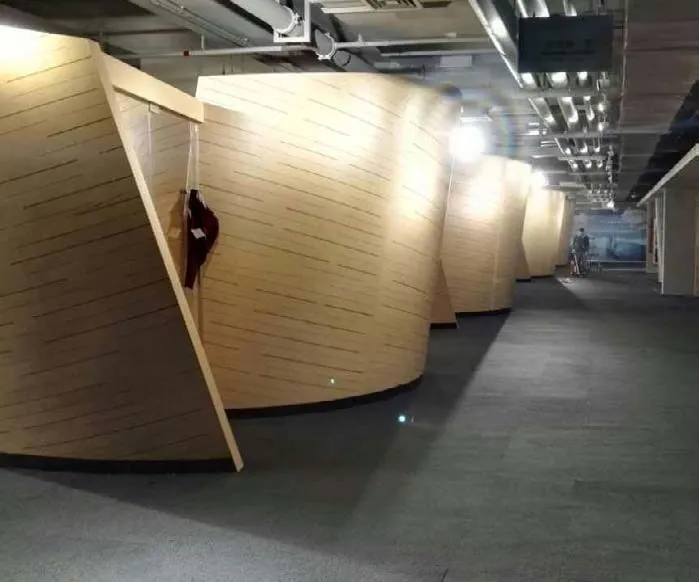
Echo in open living spaces
Hard floors and big open plans reflect sound everywhere. Video calls tire people out, and movies and music sound harsh.
Home office calls
Bare home offices echo on calls, and household noise (kids, TVs, dishwashers) walks straight into the microphone.
How we treat Residential Spaces
Describe your noise problem
Tell us what you hear and when. Most home projects are simpler than people expect, and the right fix depends on whether the noise comes through walls, floors, or the room itself.
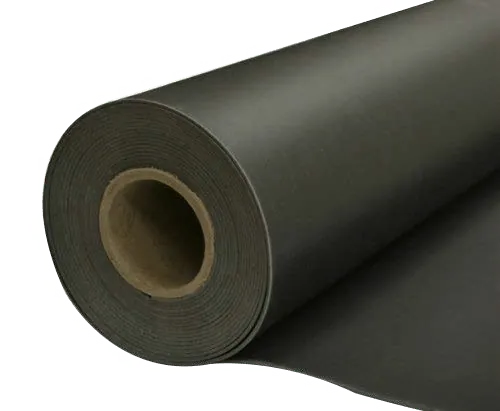
Block it with added mass
Mass loaded vinyl layered into a shared-wall assembly improves its blocking power without stealing inches of room space. This is the fix for neighbor voices, TVs, and music.
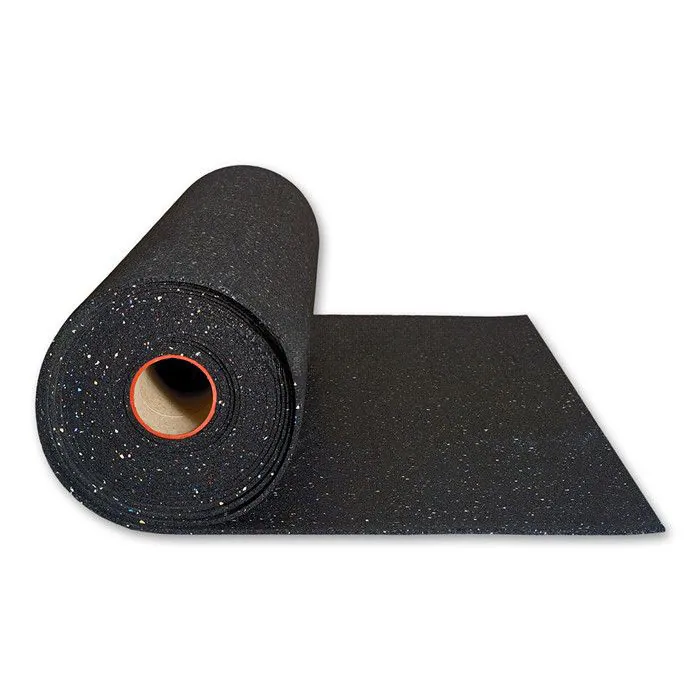
Soften floors with underlayment
Acoustic flooring underlayment goes under hardwood, laminate, or tile to absorb impact noise before it reaches the unit below. It is the practical answer to footstep complaints.
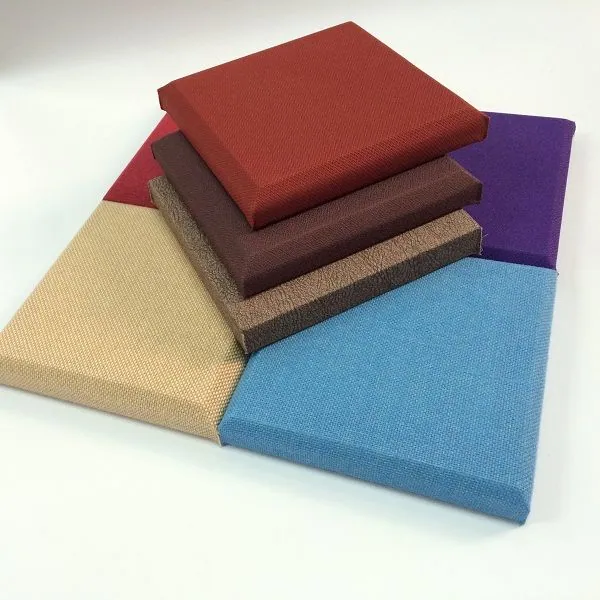
Kill the echo with panels
Fabric-wrapped panels, or art panels printed with your own images, absorb the reflections that make calls tiring and media rooms harsh, while looking like decor.
Products for Residential Spaces
Need more than products?
Our consulting team handles the full project: measurement, design, and verification.
Common questions
Often, yes. But it depends on the building. Underlayment under their flooring is the direct fix and usually requires their cooperation or the HOA's. From your side, ceiling treatments can help with some noise but cannot stop impact traveling through the structure. We will tell you which path is realistic for your situation.
Not if you use art panels. They print with your own images and read as artwork on the wall while absorbing reflections. Most guests will never know they are acoustic treatment.
It improves the wall's blocking power without taking up the inches that extra drywall would need. It will not make a paper-thin wall silent, but it makes a meaningful difference for voices and everyday noise.
A few panels at the reflection points behind and beside your desk is usually enough. Hard rooms echo; adding absorption at the right spots is the fastest win in home acoustics.
No. Start with the worst room: the office where you take calls, the bedroom by the noisy neighbor, the living room with the echo. One room done right teaches you what the rest need.
Let's make it quieter.
Browse noise control products, add what you need to a quote request, or talk to our acoustics team about your project.