
Recording Studios
A studio has two acoustic jobs: keep outside noise out, and make the inside sound right. Isolation handles the first; tuned absorption and diffusion handle the second.
Microphones hear everything the ear forgives: HVAC rumble, footfall from next door, the flutter echo off parallel walls. In a studio every flaw gets recorded and repeated forever. So treatment follows the signal path: first block and decouple to keep the outside out, then tune the room itself so the mic captures the performance, not the space.
Acoustic challenges in Recording Studios
Outside noise in takes
Traffic, HVAC, and neighbor sounds leak through walls and ruin recordings. Once it is in the take, no mix can fully remove it.
Vibration through the structure
Footfall and low-frequency rumble travel through framing into the room. Walls alone cannot stop what moves through the building itself.
Uncontrolled reflections
Bare parallel walls create echoes and standing waves that microphones pick up clearly. The recording sounds like the room, not the instrument.
Rooms that sound dead
A room with only absorption feels lifeless and tires performers out. Great studios balance control with a natural, musical character.
How we treat Recording Studios
Define the room's job
Tell us your room dimensions and what you record. Vocal booths, mix rooms, and live rooms each need different treatment, and the plan starts there.
Block airborne sound
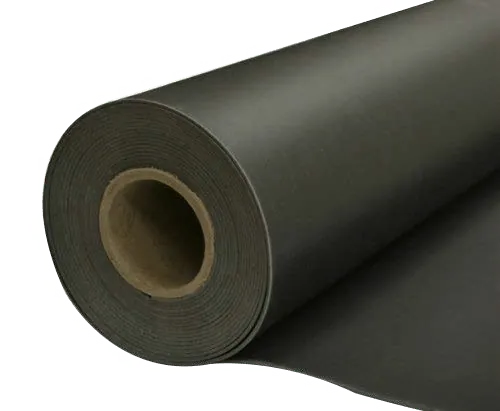
Mass loaded vinyl adds mass to walls and ceilings, improving their blocking power without stealing inches from a small room.
Decouple the structure
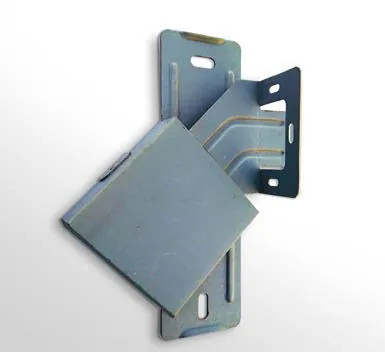
Sound isolation wall clips separate drywall from framing so vibration cannot travel through the structure into the room. This is what handles footfall and rumble.
Treat and tune the interior
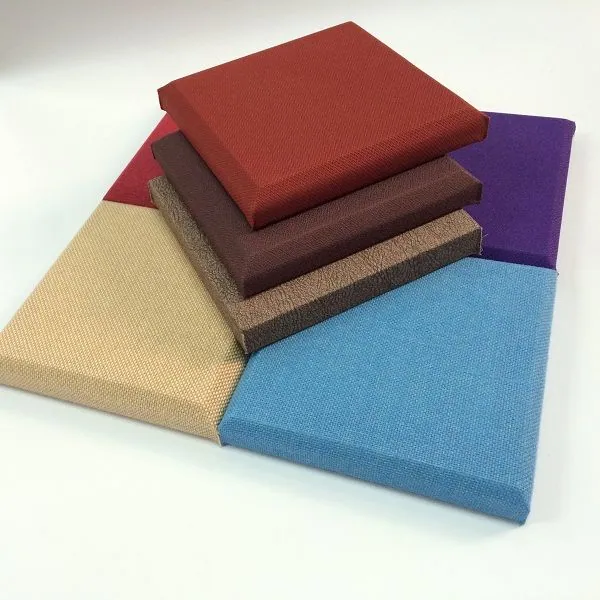
Fabric-wrapped panels go at first-reflection points to tighten what the microphones hear, and QRD diffusers scatter the remaining energy so the room stays open and musical instead of dead.

Need more than products?
Our consulting team handles the full project: measurement, design, and verification.
Common questions
Yes, retrofit is common. MLV can be layered into existing wall and ceiling assemblies, and clips can decouple new drywall layers from the current framing. It will not reach the performance of a purpose-built room-within-a-room, but the improvement is significant. We will be upfront about what your room can achieve.
All absorption kills the life of a room. It sounds dead, and performers fatigue quickly. Studios need diffusion mixed in to keep the space feeling open and musical. Panels at reflection points plus diffusers is the combination that actually works.
The same isolation package works in both directions. Mass and decoupling block sound traveling out just as well as sound coming in, so late-night sessions stay neighbor-friendly.
Room dimensions, what you record, what noise you hear in the room today, and photos if you have them. That is enough to recommend an isolation and treatment package.
Soundproofing blocks sound from entering or leaving the room: mass, decoupling, sealed gaps. Acoustic treatment shapes how sound behaves inside the room: absorption and diffusion. A studio needs both, in that order.
Let's make it quieter.
Browse noise control products, add what you need to a quote request, or talk to our acoustics team about your project.